
For most people, horror is a genre that offers thrilling entertainment or a good scare. For me, horror is something I’ve spent years avoiding. This is because I experience both hypnagogic (falling asleep) and hypnopompic (waking up) hallucinations. Essentially, I ‘see’ my dreams for a minute or two after I wake up or as I’m falling asleep, meaning nightmares sometimes follow me into the waking world. But when I saw the opportunity to write a horror story for Twisted 50, I decided to confront my fear in a way I never have before.
Living with Hypnagogic and Hypnopompic Hallucinations
Hypnagogic and hypnopompic hallucinations can be visual, auditory, or even physical, making them feel as though they’re real experiences. For me, they occur as I’m drifting off to sleep or waking up. In those moments, I’m caught between dreaming and reality, and the things I see can feel incredibly real. In my case, these hallucinations can linger for several minutes—long after waking from a nightmare.
It’s made me especially wary of horror—whether it shows or suggests, horror is designed to leave a lasting impression. For me, those disturbing images tend to linger long after the screen goes dark, often making their way into my waking world. It’s one thing to be scared by a film, but quite another when you see zombie babies crawling along your ceiling, or a demonic face glaring out of the darkness in the corner of your room. It’s hard to enjoy a bloodied woman staring back at you in the mirror or a shadowy figure crawling toward you, even after rubbing your eyes and telling yourself you’re awake now. (I’m sure you can guess what films triggered those hallucinations!)

Some of My Most Memorable Hallucinations
One of the longest-lasting hallucinations I’ve experienced followed a viewing of the film Event Horizon. For five minutes, a man with his eyes ripped out was standing right there, as though he were a real, solid figure in my room. It wasn’t just an image; it felt like a real person was standing there, following me—even when I left my room to use the bathroom. I actually had to walk around him to use the toilet and didn’t appreciate him staring at me, even if his eyeballs were in his hands. (I’m not even sure this scene is in the film, but I’m not about to check and risk inviting my bathroom stalker back.)
One of the more emotional experiences I had was during my pregnancy. After watching The Woman in Black, I woke up not just afraid, but furious. I found myself screaming in pure rage at the vengeful ghost for daring to take children. My protective instincts were in overdrive, and my partner had to physically hold me back from ‘fighting’ her. I still get angry just seeing the film poster.
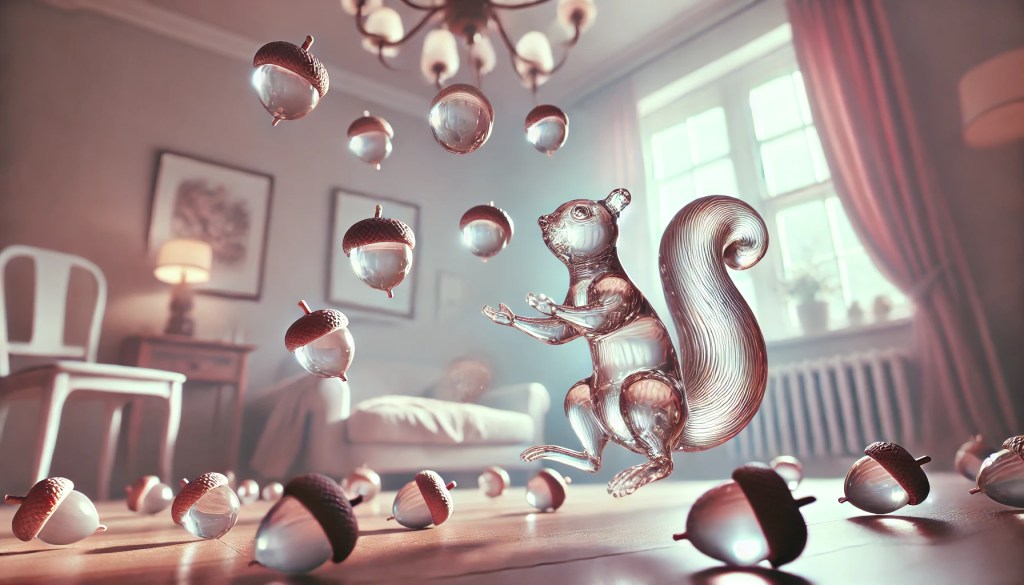
And then, there are the more surreal moments. Only last week, I awoke to see a transparent glass squirrel floating around my room, juggling glass acorns—no clue what caused that one! I sat back down in bed and watched him float around for a minute or two, until the cat started throwing up, and I had to bat him away with an apology. I hope he comes back sometime.
Why I Avoid Horror (But Still Chose to Write It)
I’ve often had to keep a distance from horror TV shows, films, and books (I’m looking at you, Salem’s Lot, making me see flying vampire children outside my window for a week!), especially before bedtime. It’s difficult to enjoy something when the fear doesn’t end with the credits. But when I saw the Twisted 50 competition, I thought, why not lean into this fear and turn it into something creative?
Horror is, after all, about confronting what scares us, and I decided to explore that by writing a story where nightmares bleed into the waking world—a concept I know all too well.
Leaning Into Fear and Finding Inspiration
Writing my story for Twisted 50 became an exercise in confronting my fears head-on. The idea of nightmares coming true is more than just a plot device for me—it’s rooted in my real experiences. Through writing, I was able to explore these feelings in a controlled way, channelling them into my story. What began as a daunting task slowly turned into something empowering.
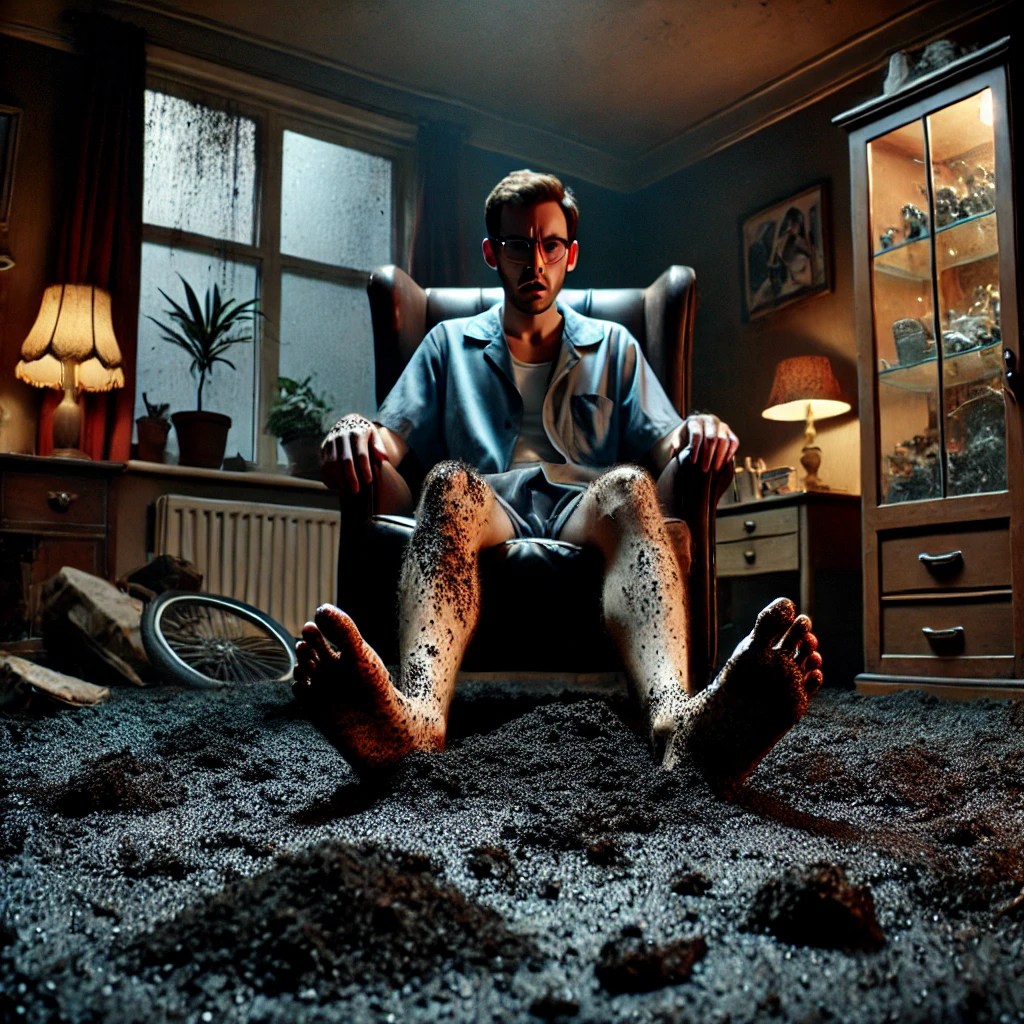
Over a few weeks, I kept a notepad and pen by my bed to record the hallucinations I experienced as I woke up. Each time I had a hypnagogic or hypnopompic hallucination, I made notes on what I saw, felt, and how it affected me. A lot of what I wrote was gibberish—“tall thing side face agh!” anyone?? But in my defence, I was three-quarters asleep.
Still, some of this immediate feedback helped me tap into the visceral sense of dread and physical reaction to fear that I wanted to capture in my story. I drew from these experiences to shape the mood and atmosphere of my short story, ensuring the sense of unease felt real to the reader, much like it does for me in those moments between sleep and waking.
Conclusion: Turning Familiar Fears into Creative Fuel
In the end, writing my first horror short story reminded me that fear doesn’t always have to be something to run from. Instead, it can be a source of creativity, as well as giving me a chance to take control over what usually controls me.
It’s not like I’m going to binge Nightmare on Elm Street and The Exorcist before bed (Hocus Pocus is more my level), but this project allowed me to draw from my own experiences, bringing a sense of realism and authenticity to my story. I’ve found that some of the best inspiration comes from our own lives, and I think tapping into personal experiences—whether big fears or small quirks—can be a powerful way to fuel creativity.
Now, I’m off to cleanse my mind with a video of baby goats in pyjamas or a kitten playing with a puppy—something wholesome to balance it all out!
Note: This blog was originally written for the Twisted 50 competition. You can view the original post here.

 Home
Home 
Leave a comment