
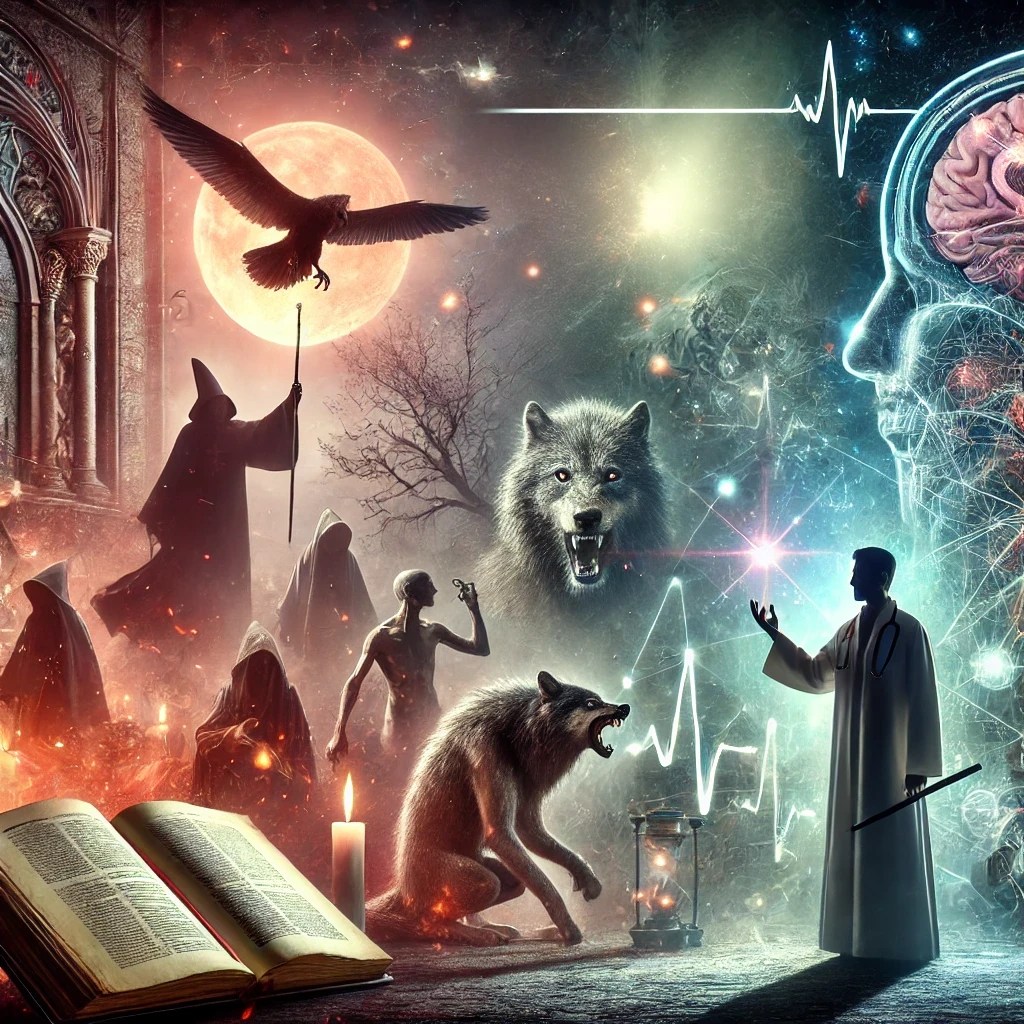
Throughout history, many baffling medical conditions were misinterpreted as signs of dark forces or curses. From bizarre physical transformations to eerie psychological symptoms, these afflictions were enough to send frightened townsfolk running for priests, not doctors.
Whether it was a person behaving like a “living corpse” or someone convulsing in the streets, such strange occurrences were frequently blamed on the supernatural, stoking fear and superstition within communities. This list dives into ten strange yet real diseases that were once blamed on supernatural forces.
Each entry reveals how science has replaced spells and salt circles with stethoscopes and lab coats, debunking myths about vampires, werewolves, and demons along the way.
1. Cotard’s Syndrome and “The Walking Dead”
Cotard’s Syndrome, or “Walking Corpse Syndrome,” is one of the rarest and most chilling psychological disorders ever documented. People with Cotard’s truly believe they’re dead, decomposing, or missing vital organs. Take the case of Graham, a British man who believed his brain was rotting. Brain scans revealed his brain activity resembled that of someone in a coma, providing insight into how Cotard’s twists a person’s perception of life and death. In ancient times, a self-proclaimed “living corpse” would have been considered a ghost or cursed soul rather than a psychology patient.
This syndrome often led sufferers to isolate themselves, seeking graveyards or other eerie settings that only added to their “zombie” reputation. Imagine the shock of townsfolk stumbling upon someone who claimed to be dead but was clearly still walking! With no understanding of mental illness, they had to believe it was the work of dark forces. Cotard’s Syndrome is a reminder of how terrifying the mind can be—and why we’re glad we have neurologists on call today.

2. Mouldy Bread and “St. Vitus’s Dance”
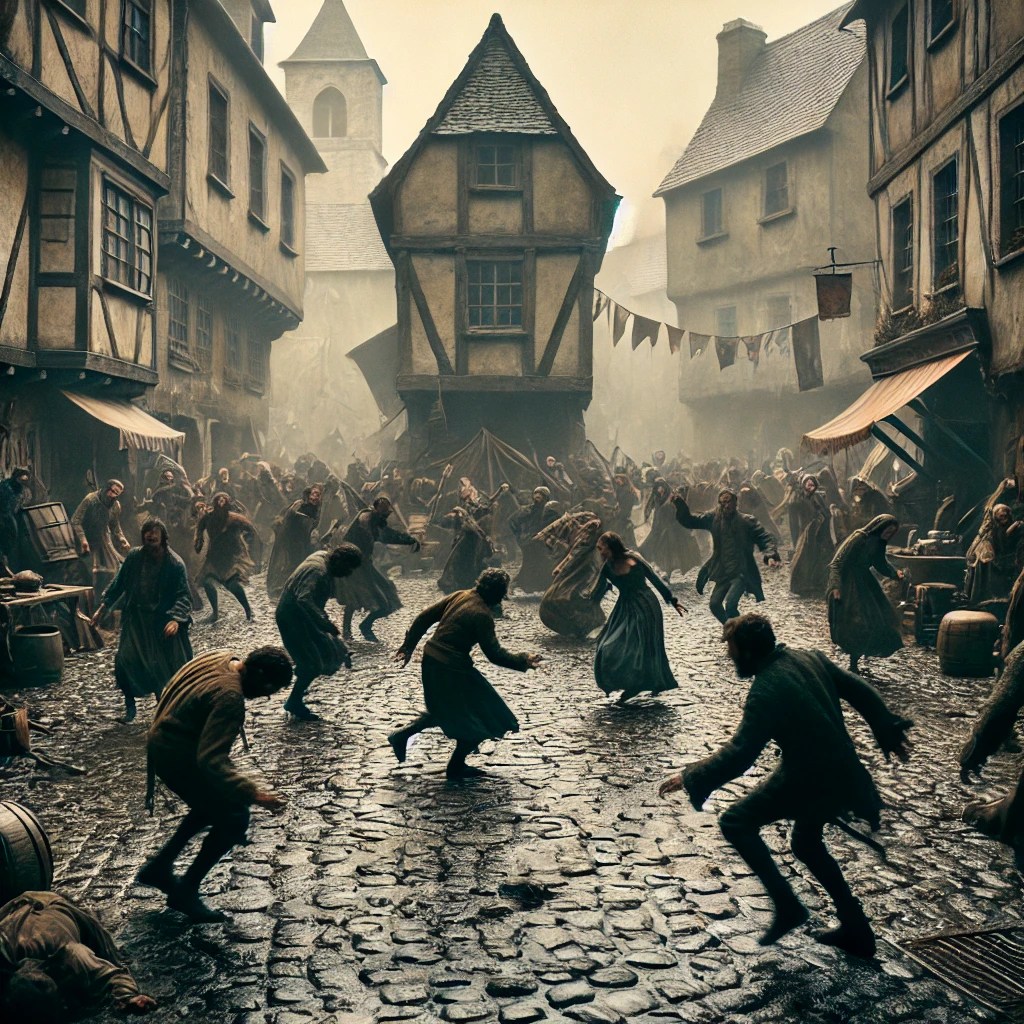
In medieval Europe, whole towns sometimes erupted in uncontrollable dancing fits, a phenomenon known as St. Vitus’s Dance. In 1374, the citizens of Aachen, Germany, danced through the streets for days, with the mania spreading to nearby towns. People at the time thought this was due to curses or divine punishment, but modern scientists have a different theory: mouldy bread. Rye bread contaminated with ergot—a hallucinogenic mould related to LSD—could have caused people to convulse and hallucinate. Turns out, the dance craze may have been less about spirits and more about spoiled sandwiches.
The symptoms of ergot poisoning, also known as “St. Anthony’s Fire,” included muscle spasms, hallucinations, and intense burning sensations, which could easily be mistaken for supernatural possession. While it’s still a mystery why the outbreaks became contagious, mass hysteria combined with some bad bread likely turned these medieval towns into makeshift rave scenes. At least now, if people start dancing uncontrollably, we’re more likely to blame the DJ than the Devil.
3. Alien Hand Syndrome and “The Cursed Hand”
Alien Hand Syndrome is a rare neurological disorder where a person’s hand seems to have a mind of its own, sometimes even sabotaging their intentions. Imagine reaching for a glass of water only for your other hand to knock it away—it’s like your own personal poltergeist! Early sufferers believed their hand was cursed or possessed. Alien Hand Syndrome typically results from brain damage affecting motor control, so while the hand feels “alive,” it’s actually just a neurological miscommunication.
In societies that didn’t know about brain injuries, a “cursed” hand must have been terrifying. People with Alien Hand Syndrome often describe their rebellious hand as if it’s working against them or controlled by an external force, which is plenty spooky without a supernatural explanation. Today, we know it’s just a rogue brain signal, but it’s still eerie enough to make you think twice about who—or what—is pulling the strings.

4. Autoimmune Encephalitis and Exorcism Cases
Autoimmune encephalitis, especially anti-NMDA receptor encephalitis, causes severe mood swings, hallucinations, aggression, and memory issues. One famous case is that of Susannah Cahalan, whose experiences inspired her memoir, Brain on Fire. Initially, Cahalan’s behaviours—paranoia, erratic speech, and aggression—were mistaken for signs of possession. Her family sought medical help rather than an exorcist, a decision that led to her life-saving diagnosis.
Historically, families witnessing these symptoms would have blamed possession, and many individuals endured exorcisms rather than receiving treatment. Cahalan’s case brought attention to autoimmune encephalitis, underscoring how a modern diagnosis saved her from potentially dangerous “spiritual” interventions. For centuries, countless individuals with similar symptoms were likely misdiagnosed, revealing how advances in neurology have rewritten what was once considered demonic.

5. Alice in Wonderland Syndrome and “Fairy Visions”
Alice in Wonderland Syndrome (AIWS) is a disorder that distorts perception of size and distance, making objects appear drastically larger or smaller. Imagine reaching for a mug, only to see it balloon up like a beach ball! This rare syndrome, often triggered by migraines, commonly affects children, who may have delighted in thinking they were in a “fairy world.” Cultures rich in folklore saw such distortions as visions from another realm.
Modern understanding shows AIWS is linked to neurological disruptions, not magical portals, but it’s easy to see why people once thought otherwise. Fairy visions and magical lands make a great story, but today, we know it’s just a migraine mischief-maker and not the gateway to Wonderland. AIWS remains a rare but fascinating condition, sparking wonder without a trip down the rabbit hole.

6. Hysteria and Witch Hunts
In the 16th and 17th centuries, “hysteria” was the term used to explain symptoms like fainting, fits, and unusual behaviour—especially in women. These symptoms were often interpreted as signs of witchcraft. During the Salem witch trials of 1692, young women exhibiting strange behaviours were assumed to be in league with the Devil, leading to accusations, trials, and executions. Without psychology to explain these symptoms, supernatural forces were often blamed.
The label of “hysteria” was, unfortunately, applied to many women, marking them as vulnerable to witch hunts. The belief that women’s behaviour could indicate evil influence led to countless tragic consequences. Thankfully, today we understand these behaviours as psychological or physical conditions rather than evidence of sorcery, but the term “hysteria” still reminds us of how far we’ve come—and how far we still have to go in understanding mental health.

7. Hypertrichosis and “Werewolf Syndrome”
Hypertrichosis, or “werewolf syndrome,” causes excessive hair growth all over the body. The most famous case, Petrus Gonsalvus, was brought to the French court in the 1500s and treated as a curiosity. With his face and body covered in thick hair, Gonsalvus became known as a “wild man” and inspired tales of werewolves. On top of this, some people with clinical lycanthropy believed they could actually transform into animals.
Back in the day, hypertrichosis and lycanthropy fuelled legends of werewolves prowling the woods. People were frightened of those with “wolf-like” features, and anyone resembling a wolf was considered dangerous or cursed. Today, hypertrichosis is a known medical condition, and we’ve moved beyond torches and pitchforks, but Gonsalvus’s story still illustrates how easily nature can inspire myth.

8. Sleep Paralysis and “Demonic Possession”
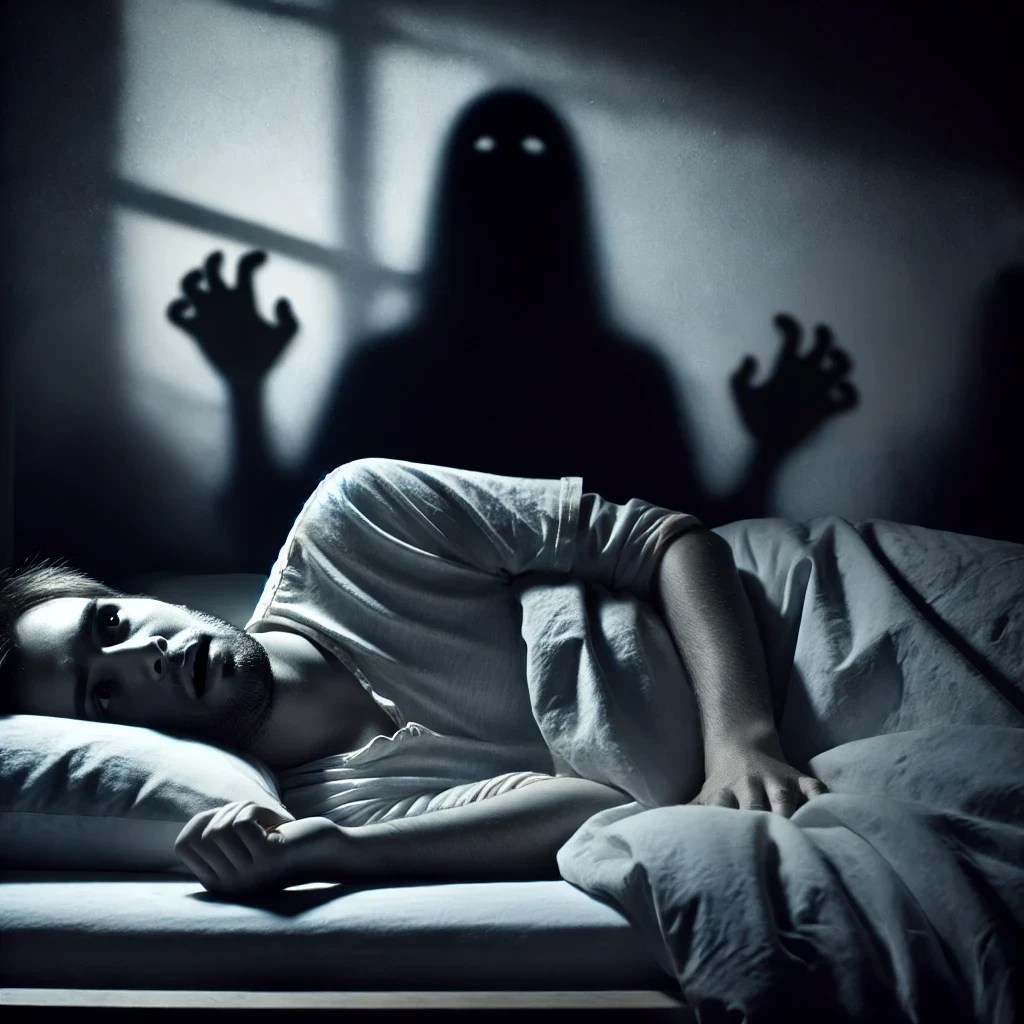
Sleep paralysis is an unsettling experience where you wake up but can’t move, often with a sense of dread and visions of shadowy figures. Across cultures, this sensation was attributed to night demons, from the “Pesanta” in Catalonia (a creature sitting on sleepers’ chests) to Newfoundland’s “Old Hag.” While terrifying, sleep paralysis affects about 8% of people, giving ample fuel to paranormal legends worldwide.
Modern science explains sleep paralysis as a hiccup in the REM sleep cycle. But when you’re awake, paralysed, and seeing shadowy figures, it’s no wonder ancient societies thought the devil was involved. Despite our current understanding, the experience remains creepy enough to send shivers down your spine—scientific or not, it feels supernatural.
9. Porphyria and Vampirism
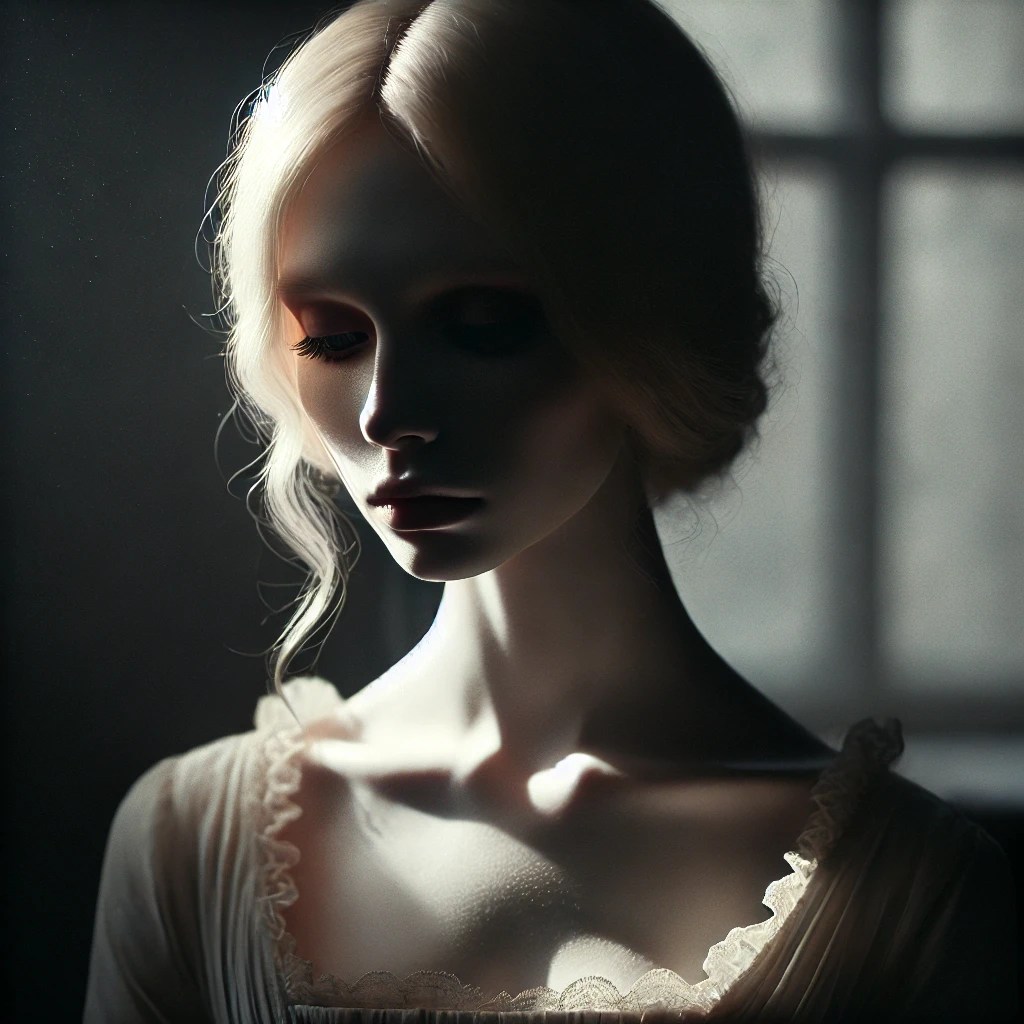
Porphyria, a rare genetic disorder, causes extreme sensitivity to sunlight, leading to painful blisters and, in severe cases, receding gums that give a “fang-like” appearance. In the 18th and 19th centuries, people exhibiting these traits—pale skin, avoidance of daylight—were often branded as vampires. Today, we understand porphyria without needing garlic or wooden stakes, but it’s easy to see why those affected were feared as creatures of the night.
While porphyria is manageable today, its symptoms have forever linked it to vampire lore. The striking overlap between its symptoms and vampire traits has etched porphyria into the gothic imagination. People living with the disease no longer face ostracisation, but the eerie connection to vampirism is a reminder of how far medical understanding has come.
10. Epilepsy and the “Sacred Disease”
Epilepsy, once known as the “sacred disease,” was widely misunderstood as a supernatural condition due to its dramatic seizures and loss of control. Ancient Greeks saw it as a form of divine communication, while in medieval Europe, seizures were thought to be signs of demonic possession. Exorcisms were performed to “cure” epilepsy, which was thought to involve spirits or dark forces.
Today, neurologists manage epilepsy without needing holy water or a priest, a testament to how much medical science has advanced. Although we understand epilepsy better now, its history as a “cursed” or “sacred” disease lingers, a relic of times when every unexplained ailment seemed to have a supernatural explanation.
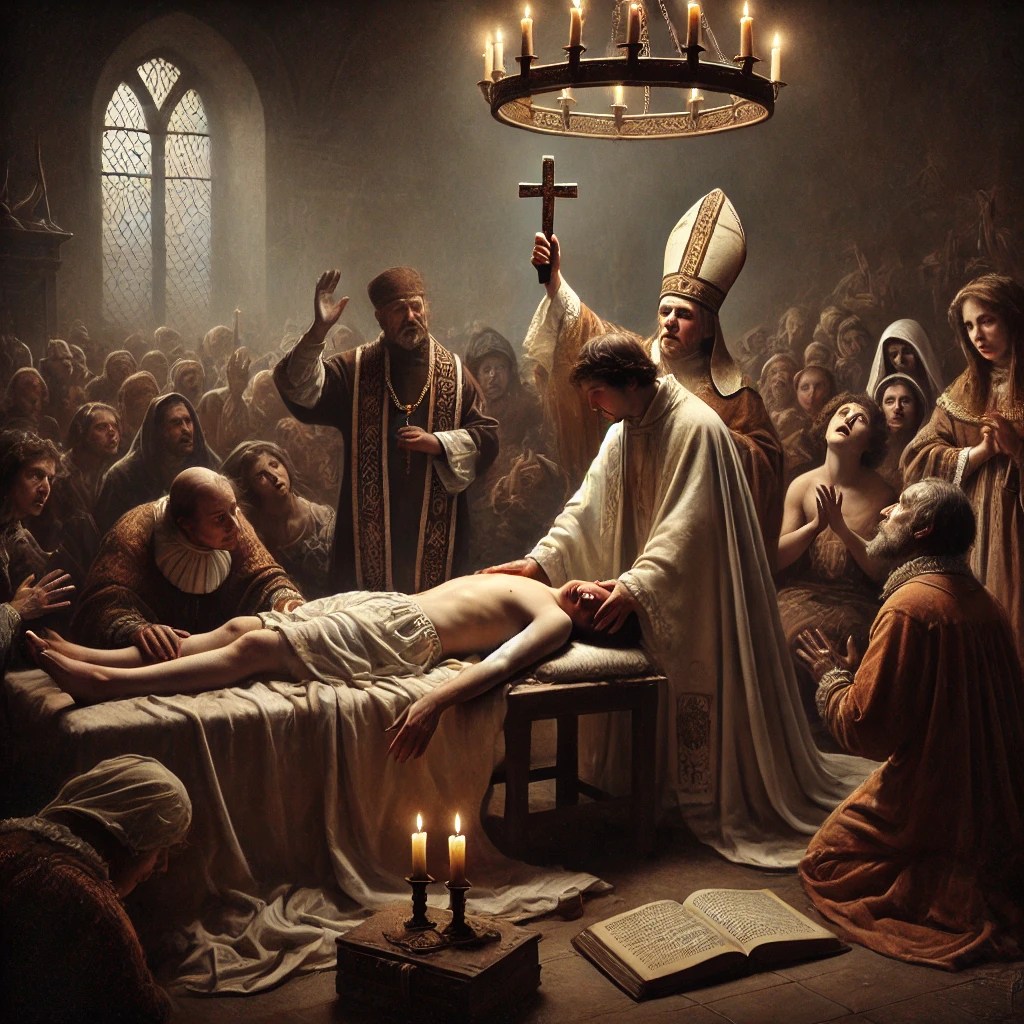
As we’ve explored, the line between the supernatural and the medical was once far more blurred. From misunderstood seizures to eerie distortions of reality, these conditions sparked fear and wonder in equal measure, fueling myths that linger even today. While we’ve come a long way in understanding these ailments, their fascinating histories remain a reminder of how far we’ve progressed—and how powerful the unknown can be.
If you enjoyed this look at misunderstood diseases, why not check out my blog on The Science Behind Folklore: Real Roots of Monster Myths? You’ll find a deep dive into how real-world biology and human fears inspired some of the most enduring legends we still tell today. [COMING SOON.]
 Home
Home 
Leave a comment